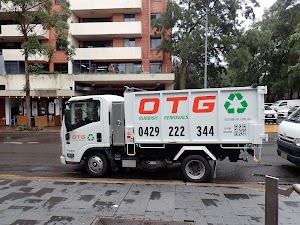
Cheap rubbish removal is worth having when the saving comes from the job being genuinely easy — a small, sorted, ground-floor load. It is worth avoiding when the saving comes from something being skipped: disposal fees, insurance, or the law. Knowing which one you are being offered is the whole skill.
Key Takeaways
- A legitimately low price usually reflects low volume, light material, easy access or a pre-sorted load.
- An artificially low price usually reflects skipped tip fees, no public liability insurance, or a quote that will be revised once a crew is on site.
- Under NSW law the person who generated the waste can be pursued over illegal dumping, not only the driver who tipped it. (NSW EPA)
- You can check an operator’s ABN in under a minute at abr.business.gov.au.
Every operator faces the same four costs: labour to carry the load out, truck space to hold it, weight-based fees at the disposal facility, and the overheads of running a compliant business — insurance, registration, licensed tipping.
Three of those four are close to fixed. Disposal in particular is not negotiable: licensed landfills in the New South Wales regulated area pay a levy on every tonne they receive, administered by the NSW EPA, and that cost lands on whoever tips the load.
So when one quote sits far below the rest, the useful question is not “why are they cheaper?” but “which of those four costs are they not paying?”
Plenty of jobs are honestly cheap, and it is worth knowing which yours might be:
If your job ticks several of those, a low quote is probably just an accurate one. Our breakdown of what affects rubbish removal pricing explains why.
This is the big one. Tipping legally costs money per tonne, so the fastest way to undercut everyone is to not tip legally — a bush track, a vacant block, a construction skip that belongs to someone else. The saving is real, and it is transferred to you as risk rather than kept as a discount.
Public liability cover protects your property while people carry heavy objects through it. Not every operator carries it. If a wardrobe goes through a plaster wall or a fridge cracks a tiled step, uninsured means the argument is between you and someone with no cover — and household contents policies generally do not extend to damage caused by a contractor you hired.
The cheapest way to win a job is to quote below cost and correct it later. A firm-sounding phone price becomes a different number once a crew is standing in your driveway and your garage is already half loaded. Our guide to getting an accurate quote covers how to close that gap before it opens.
This is the part most people do not expect. In New South Wales, responsibility for waste does not end when it leaves your driveway. The Protection of the Environment Operations Act 1997 allows enforcement against the person who generated the waste, not only the person who dumped it. If material traceable to your address turns up on a roadside, “I paid someone to take it” is a weak position — particularly if you cannot name the business, produce a receipt, or show you took any steps to check where it was going.
Illegal dumping is also expensive for the councils that clean it up, which is why the NSW EPA and local councils actively investigate it and penalties are substantial.
The practical protection is small: know who you hired, get it in writing, and ask where the load is going.
A fair operator will not always be the cheapest quote you get, and should be able to explain exactly why. They will look at the job before committing to a price, tell you what would change it, name the facility your load is going to, carry insurance and produce it on request, and put the agreed figure in writing before anyone lifts anything.
That is how OTG works. We quote on site rather than over the phone, agree the price before the crew starts, and sort loads for recycling and charity reuse before anything goes to landfill — which is also why our quotes occasionally sit above an operator who is planning to do none of that.
Most jobs are quoted on site at no charge. Complex work is different: multi-room strip-outs, hoarder properties, difficult or restricted access, and loads mixing heavy or specially handled material all take a qualified assessor real time to scope properly.
For those jobs a quote fee applies. It varies with the size and complexity of the work, and it covers the assessment itself rather than being credited against the job. There is a straightforward reason for it: quoting complex work properly takes hours, and operators who give that away for nothing recover the cost by inflating their prices for everyone else. Charging for the assessment is what keeps the numbers honest.
If your job is a standard household or light commercial clear-out, none of this applies — you will be quoted the usual way.
It depends where the saving comes from. A low price for a small, light, easily accessed or pre-sorted load is usually just accurate pricing. A low price on a large or heavy job often means disposal fees, insurance or a proper quote have been skipped, and that risk transfers to you rather than staying with the operator.
Labour, truck space, weight-based disposal fees and business overheads are broadly similar for every operator. When one quote sits far below the rest it usually means one of those is not being paid — most often legal disposal, which is charged per tonne at licensed facilities.
Potentially, yes. Under the Protection of the Environment Operations Act 1997 in NSW, enforcement can target the person who generated the waste, not only whoever tipped it. Being able to name the business, show a written quote and a receipt, and demonstrate you asked where the waste was going is the practical protection.
Check the ABN at abr.business.gov.au, ask for confirmation of public liability insurance, ask which licensed facility your waste goes to, and expect a written quote. Branded vehicles, consistent business details and genuine reviews are supporting signals rather than proof on their own.
For small amounts, your council’s kerbside clean-up is the cheapest option, though it runs to a schedule and excludes several categories including renovation debris. Beyond that, the cheapest legitimate route is to reduce what you are paying for: sort the load, consolidate it in one accessible place, and be flexible about timing.
Not all of them. Public liability insurance is a real cost, so it is one of the first things dropped by an operator competing purely on price. Ask for it directly before anyone carries heavy items through your home, and be wary if the answer is vague.
Most jobs are quoted on site at no charge. Complex work – multi-room strip-outs, hoarder properties, difficult access, or loads mixing heavy and specially handled material – attracts a quote fee, which varies with the size and complexity of the job and covers the assessment rather than being credited against the work. Standard household and light commercial clear-outs are quoted the usual way.
Call us to make a booking and we will look at the job on site. You will get a fixed price agreed before work starts, from a crew that tips at licensed facilities and can show you the paperwork.