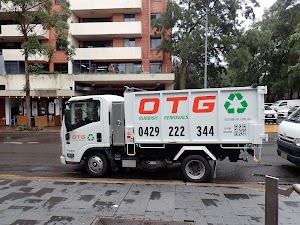
We come to you and do the heavy lifting so you can get your home back.
- We come to you
- We do the heavy lifting
- Get your home back
Remove your rubbish today. No mess, no stress!
We specialise in residential rubbish removals with the experience to safely and efficiently remove unwanted household clutter, old furniture, old appliances, books, clothes and much much more.
We offer a fast friendly service, and treat your home like its our own!
We come to you
Whether it’s your home or your storage unit, we come to you and carefully remove all the items that you need removed.
We can load up from your garage, from room to room, or directly from your storage unit. We do the hard work for you!
We do the heavy lifting
Got awkward or heavy items? Leave it to us. We do all the heavy lifting so that you don’t have to lift a finger.
We remove sofas, lounges, chairs, tables, white goods, rugs, carpets, and much more.
Get your home back
Clearing out old unused and unwanted items from your home removes that feeling of chaos and gives you back your sense of peace and calm in your life.
We declutter your home so you can relax!
Why choose us?
At OTG Rubbish Removals:
- We are professional, fast and friendly.
- We make the process simple with an accurate quote and you only pay for items that we remove.
- We have a tried and tested pay-by-volume method and we flat pack all your items where possible so you get the best value for your money, maximising your load.
- We safely remove items from your home so they can be cleared efficiently, saving you time and unwanted stress.
- We go the extra mile to be the best and friendliest rubbish removal company in Sydney.
- We recycle over 80% of items and also give away some items so they can be reused!
- Clear communication, punctuality, common courtesy, upfront pricing, no silly gimmicks, and a solid work ethic.
- We guide you through the whole process so there are no surprises and we do the hard work for you.
- We’re happy once you have your home back, clutter-free!
Schedule a clean-up today

houses cleaned
0
tonnes of rubbish
0
happy customers
0
star Google rating
0
Some of our clients
Got rubbish or items in your house that need to be cleared out?
End of lease rubbish removals
Are you moving to a new house or unit?
Sometimes, moving uncovers accumulated clutter we didn’t know we had. Don’t worry; we can remove all the items you don’t need so that old baggage doesn’t clutter up your new chapter.
We ensure that all items that can be recycled will be recycled.
Moving overseas?
Relocating overseas is a big endeavour. In the midst of organising everything, sometimes a tip trip with old and unused things is the last thing on your mind – that’s where we can help.
We remove:
- Appliances
- Sofas
- Furniture
- Gym equipment
- Old clothes
You can leave the property empty with no loose ends and start your next chapter.
We ensure that all items that can be recycled will be recycled.
Hoarders rubbish removals
You may have a loved one who has collected so many items over the years and struggles to let go of them.
We come in and, room by room, take away only what needs to be removed.
After dozens of these jobs, we have a caring touch to minimise stress and the expertise to do everything efficiently.
Storage unit clear-outs
If you are storing old furniture in a storage unit, this may be costing you up to $5,000 per year to store, depending on how much furniture you have.
Over 85% of people never use these items again, so why not have us clear these items directly from your storage unit so you can cancel your storage fees?
Garage Clean-ups
Reclaim the space in your garage in 1 day!
We clear out (or clean up) your garage for you and can remove:
- Paint
- Old tools
- Old building materials
- Assorted garage clutter
Don’t put it off for another year, call us today to help you get the job done!
Selling your home?
We are experts in removing unwanted furniture and items from your house.
A simple removal of outdated furniture and junk from your home can open an area and potentially increase the final sale price for your home, while a shabby-looking home can damage your home’s final sale price.
We have worked for many real estate companies including:
- McGrath Partners
- LJ Hooker
- The Agency
- and more
Sellers achieve amazing sale prices simply by clearing their property to deliver maximum impact on buyers.
What are our customers saying?
“I was left with a run down house to clean out with over 40 years of things accumulated.
I contacted OTG Rubbish Removals and the team was amazing. They did everything I struggled to do, and the house was cleaned out in a few days. They have been an absolute godsend.
Reasonably priced, honest, trustworthy, reliable, and hard-working, I honestly can’t recommend them highly enough.”
Vanessa Hanshaw
“Needed a huge job done before a Monday. So at extremely short notice, I called OTG Rubbish Removals on the Saturday and they came on the Sunday—when no one else could—and ensured everything was out of the property by the end of the day.
I would have no hesitation whatsoever in recommending and using them again. 5 Stars.”
Will Burn
“I have been using OTG Rubbish Removals for the last two years to complete all our rubbish removal and clean-up requirements.
There is no job too big or small, they are always competitively priced and on time. I have no hesitation in sending them to my clients’ properties and always receive great feedback.
I highly recommend their services.”
Russell Ely
How it works
3 easy steps to clutter-free home.
- No more mess
- Heavy lifting done for you
- On-time pickups
- A friendly team
- Feel at peace again
- Get your home back
Schedule a clean-up
Use our scheduling tool to select the type of rubbish you have, and then choose a preferred pickup time frame.
We’ll take it away
We’ll arrive on time with a courtesy text message before our arrival and remove all rubbish and unwanted items.
Enjoy a clean home
Get back to the more important things of life knowing that everything has been taken care of without you having to do a thing.
- No more mess
- Heavy lifting done for you
- On-time pickups
- A friendly team
- Feel at peace again
- Get your home back
Rubbish Removed Easy as 123 call OTG