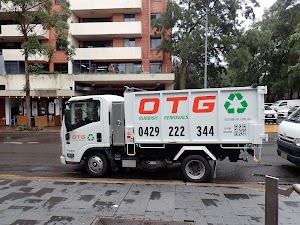
Most people picture a truck driving straight to a tip and tipping. That is not really how it works any more, and the difference matters if you care where your things end up.
A collected load typically goes to a waste transfer station, where it is sorted into streams — metals, timber, green waste, e-waste, concrete, cardboard and general residual waste. Recoverable materials are sent to processors and only the genuine residual fraction goes to landfill. How much gets recovered depends heavily on how mixed the load was when it arrived.
The old model of a local tip where everything was buried on site has largely been replaced. Most waste in Sydney now goes first to a resource recovery or transfer station.
A transfer station is a sorting and consolidation point. Loads are tipped onto a floor, sorted into material streams, then bulked up and sent on — recoverable material to processors, residual waste to a landfill that may be a considerable distance away.
That extra step is the reason separating material is worth the effort. Sorting still happens at the facility, but a load that arrives already separated recovers far more than one that arrives as a single mixed heap.
Separated and sent to a metal recycler. Steel and aluminium recycle effectively indefinitely without quality loss, so this stream genuinely works.
Processed into mulch and compost, provided it is clean. Contaminated green waste is downgraded to general waste, which is why we keep green loads separate.
Crushed and reused as road base and aggregate. Again, only when clean — timber and plastic through a rubble load ruins it.
Untreated timber is chipped for mulch or board manufacture. Treated and painted timber is more restricted and often becomes residual waste.
Sent to specialist processors that recover copper, aluminium, steel, gold and glass. Not accepted as general waste at tips, which is why it is separated at collection.
Baled and sent to paper mills, provided it is dry and clean.
Broken down into steel springs, foam and timber, each going to its own stream. A whole mattress in landfill is a genuinely poor outcome, as they trap air and take up disproportionate space.
Anything still usable is best diverted before it ever reaches a facility.
The residual fraction is real and it is not small. It typically includes mixed material that cannot be economically separated, contaminated recyclables, treated timber, most soft plastics, textiles in poor condition, and general household waste.
Landfill is engineered rather than a hole in the ground — lined to protect groundwater, with leachate collection and often gas capture systems that turn methane into electricity. It is a managed outcome rather than a good one, and the aim is to minimise what ends up there.
The single biggest factor in how much of your load gets recovered is contamination.
One tin of paint through a green waste load contaminates the batch. Timber and plastic through concrete rubble makes it unsuitable for crushing. A wet cardboard load is worth considerably less than a dry one.
This is why, when we clear a property, the sorting happens as we load rather than afterwards. Metal goes one way, green waste another, and e-waste is set aside before anything else is decided. It takes longer at the job than simply filling the truck, and it is the difference between a load that is mostly recovered and one that is mostly buried.
Usually not. Most loads go to a waste transfer station first, where material is sorted into streams and recoverable material is sent to processors.
It depends almost entirely on how mixed the load was. A separated load of metal, green waste or clean rubble recovers most of its material; a single mixed heap recovers far less.
One contaminated item can downgrade an entire batch. Paint through green waste, or timber through concrete rubble, makes the whole load unsuitable for recycling.
They are broken down into steel springs, foam and timber, each going to its own recycling stream, rather than being buried whole.
Mixed material that cannot be economically separated, contaminated recyclables, treated timber, most soft plastics and general household waste.
Tell us what needs to go and we will come back with a straight quote. Call 0429 222 344 or book online — we answer enquiries 24 hours.