Furniture disposal in Sydney comes down to four practical options: donation, council bulk waste collection, a trip to your local tip, or a professional rubbish removal service. The right choice depends on your furniture’s condition, how much time you have, and how much effort you’re willing to put in. This guide covers what each option actually involves.
Donation is the most responsible outcome for furniture that still has usable life left. The NSW EPA estimates that around 80% of household waste in NSW can be diverted from landfill through reuse and recycling (NSW EPA, 2023). For furniture in good condition, finding it a second home is straightforward – if you know where to look.
For a broader look at responsible disposal across all item types, read our guide on how to dispose of household items in Australia.
Several charity organisations accept furniture donations in Sydney, including the Salvation Army (Salvos) and Reverse Garbage in Marrickville. These groups resell donated items through their stores or distribute them to people in need. Not every charity takes every type of furniture, so it’s worth calling ahead before you load anything into a car.
Most charities won’t accept upholstered furniture with tears, heavy staining, or structural damage. Flat-pack pieces that have been disassembled and lost hardware are also commonly declined. When in doubt, describe the item over the phone before making a trip.
Some charities run furniture pickup services from your home. These are free, but they’re scheduled in advance and may have waiting periods of several days or weeks depending on demand in your area. Pickup is convenient, but it’s not a quick fix if you need the item gone urgently.
Drop-off is faster. If a charity depot or retail store is nearby, you can often bring smaller pieces directly during opening hours. Larger items like sofas and wardrobes may still require a booked pickup slot. Check the charity’s website or call to confirm current availability.
Charities typically require furniture to be clean, complete, and free of major damage. Structurally sound frames, intact upholstery with no tears, and working mechanisms (drawers, hinges, zips) are the usual benchmarks. Items with pet damage, mould, or infestation will not be accepted.
In practice, furniture that looks fine to you may not meet a charity’s intake standards. If there’s any doubt, call before committing to a drop-off trip.
Council bulk waste collection is a free service provided by most Sydney local government areas. It runs on a fixed annual or bi-annual schedule, with each household allocated one or two collection windows per year. Research by the NSW Government shows that more than 100 local government areas across NSW provide bulk waste or hard rubbish collections as part of their waste services (NSW Government, 2023).
Each council sets its own dates and rotates collection by street or suburb. You can usually find your collection window on your council’s waste page by entering your address. Some councils notify residents by letter; others require you to check online. Missing your window means waiting until the next cycle.
Presentation rules vary by council, but common requirements include placing items at the kerb no earlier than 24 to 48 hours before collection, keeping the pile within a set volume limit (typically measured in cubic metres), and ensuring items don’t block footpaths, drains, or sight lines at intersections.
Some councils require flat-pack furniture to be broken down. Others accept whole pieces up to a certain size. Most won’t collect mattresses separately to a bulk waste collection – mattresses often go out with the same pile. Check your council’s specific rules before putting anything out.
Most Sydney councils cap the volume of material you can put out per collection. Common limits range from one to three cubic metres, which is roughly the size of a mid-size wardrobe or a two-seater sofa with a few smaller items. If you have more than your allowance, you may need to split the load across two collections or use a different disposal method for the overflow.
Council bulk waste works well for one or two items but becomes impractical when you’re clearing a room or full property. The schedule-dependent nature and volume caps make it a poor fit for anyone with a deadline or a larger load.
Taking furniture to your local tip is a DIY option that gives you control over timing but requires you to handle every part of the process yourself. Sydney operates a network of resource recovery centres managed by local councils and waste operators. The NSW Environment Protection Authority reported that NSW households generated approximately 2.7 million tonnes of waste in the 2021-22 period, a portion of which was managed through drop-off facilities (NSW EPA, 2022).
To drop off furniture at a tip, you need a vehicle capable of carrying the items – a ute, van, or borrowed trailer. You’ll need to load the furniture yourself, drive to the facility, queue on entry, unload at the designated bay, and return home. Some facilities charge a fee based on the weight or type of material you bring.
Large items like wardrobes, bed frames, and dining tables can be difficult to load without a second person. If access to the item inside your home is tight, getting it out to a vehicle adds another layer of effort before you’ve even left the property.
Tip facilities have opening hours, typically weekday business hours with reduced Saturday access. Wait times can be significant on weekends. Some centres only accept certain materials, so it’s worth calling ahead to confirm furniture is accepted at your nearest facility before making the trip.
The DIY approach is cost-efficient if you have the vehicle, time, and physical capacity to handle the load. For elderly residents, renters without vehicle access, or anyone clearing multiple rooms, it’s rarely practical.
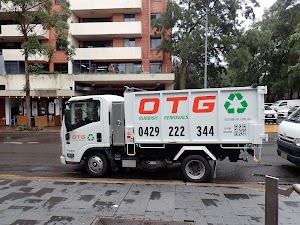
Professional rubbish removal is the most convenient furniture disposal option because it removes the load – both literal and logistical – from you. The crew collects from inside your property, handles all the heavy lifting, and transports items to a licensed facility for sorting, recycling, or disposal. According to IBISWorld, the rubbish removal industry in Australia has grown steadily as households increasingly choose professional services over DIY options (IBISWorld, 2023).
For a single piece of furniture, a single-item rubbish pickup is the most suitable service. If you’re clearing multiple rooms or an entire property, residential rubbish removal covers the full load in one visit.
A professional furniture removal service typically includes collection from inside the property (you don’t need to carry anything to the kerb), loading into the vehicle, transport to a licensed facility, and sorting for recycling where possible. Operators responsible for eco-friendly disposal will divert materials – timber, metal frames, foam, fabric – away from landfill when recycling options exist.
The service works regardless of the furniture’s condition. Broken, stained, or damaged pieces that charities won’t accept and councils won’t collect can be handled by a professional removalist. There’s no waiting for a council window and no need to own a suitable vehicle.
Professional removal suits situations where urgency matters – end-of-lease cleanouts, pre-sale property preparation, estate clearances. It also suits anyone who can’t physically manage the lifting involved in DIY disposal, or anyone with items that don’t meet charity condition requirements.
In our experience handling furniture disposal across Sydney, the most common scenarios for professional collection are end-of-lease clear-outs and post-renovation declutters, where multiple items need to go quickly and the occupant no longer has time or access to manage charity logistics or wait for council collection.
Each disposal method has different demands on your time and effort, works for different item conditions, and suits different situations. The table below sets out the key factors for each option – without cost comparison, since that varies considerably by council area, tip facility, and job scope.
| Option | Time to arrange | Effort required | Condition required | Best suited for |
|---|---|---|---|---|
| Donation | Days to weeks (pickup), immediate (drop-off) | Low (pickup) / moderate (drop-off) | Good – clean, complete, functional | Furniture with usable life left; non-urgent situations |
| Council bulk waste | Days to months (schedule-dependent) | Moderate – must carry items to kerb | Any condition; volume and size limits apply | One or two items; no urgent deadline |
| Tip drop-off | Same day (during opening hours) | High – load, drive, unload yourself | Any condition accepted | Anyone with vehicle access and physical capacity; small volumes |
| Professional removal | Same day or next day in most cases | Very low – crew handles everything from inside the property | Any condition accepted | Any situation, especially urgent clearouts, damaged items, or large volumes |
Several charities accept furniture donations in Sydney, including the Salvation Army (Salvos) and Reverse Garbage in Marrickville. Most require items to be clean, structurally sound, and free from major damage. Some organisations offer home pickup for larger pieces, while others take drop-offs at their nearest depot. Call ahead to confirm what’s currently being accepted, as stock levels affect intake at any given time.
Your options depend on the sofa’s condition. A clean sofa in good shape is worth offering to a charity for collection or listing in a local community group. A worn or damaged sofa can go out for council bulk waste on your scheduled date. Alternatively, a professional rubbish removalist can collect it directly from inside your property at a time that suits you, with no condition requirements to meet.
Requirements vary by local government area. Some Sydney councils ask that flat-pack style furniture be broken down to fit within bulk waste size limits. Others accept whole items up to a permitted volume. Check your council’s bulk waste page with your specific address before putting anything out. Getting it wrong can mean your items aren’t collected.
Yes, some charities offer furniture pickup from your home. Availability depends on location, current truck schedules, and what they can accept at the time. Items need to be in good condition. Collection is typically booked in advance and may have a waiting period. Drop-off is a faster alternative if the charity has a depot near you and the furniture is small enough to transport.
If your furniture is in good condition and you have time to spare, donation is the best outcome – it keeps the piece out of landfill and benefits someone who needs it. If your council window aligns with when you need the item gone, bulk waste is free and straightforward for one or two pieces. The tip works if you have a vehicle and the physical capacity to manage the job yourself.
When none of those options fit – because the item is damaged, the deadline is tight, or you simply don’t want to handle the lifting – professional rubbish removal is the most practical choice. A crew collects from inside your property, handles everything, and leaves the space clear.
For a single piece of furniture, see the single-item rubbish pickup page. If you’re clearing multiple rooms or need a full property clear-out, residential rubbish removal covers everything in one visit.