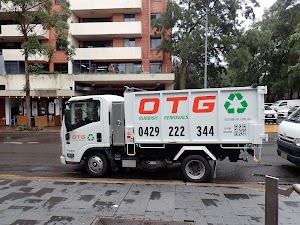
An overgrown backyard is really two jobs stacked on top of each other: the cutting back, and then getting rid of everything you have cut and everything you find underneath it.
Work top down and in stages — trees and large shrubs first, then undergrowth, then whatever is revealed at ground level. Keep green waste separate from general rubbish as you go, because a clean green load is recycled into mulch while a mixed load is landfilled. Expect the volume to be roughly double what you estimated.
The order that works:
Working in this order means each stage exposes the next rather than fighting through material you have already cut.
Overgrown yards hide things worth being careful about.
The single most useful thing you can do while working is to make two piles rather than one.
Green waste — branches, clippings, weeds, leaves, turf. Clean green material is processed into mulch and compost.
General rubbish — fencing, plastic, old furniture, building material, metal.
Mixed together, the whole load has to be treated as general waste, which is worse environmentally and usually costs more. Separated, the green half goes to a green waste facility and the metal can be recovered as scrap.
Cut vegetation takes up far more space than it did growing. A hedge that looked modest against a fence becomes a pile that fills a driveway, because branches trap air and refuse to stack.
Practically, that means a green bin is not the answer for a serious clear-out, a small trailer will need multiple runs, and most people underestimate by roughly half. If you are booking a removal, describe the area cleared rather than trying to estimate the cubic metres — or send a photo and let us judge it.
Top down: trees and large shrubs, then the middle layer of shrubs and hedges, then ground cover and weeds, then whatever rubbish is revealed underneath.
Yes. Clean green waste is processed into mulch and compost, while a mixed load has to be treated as general waste and landfilled.
Snakes and spiders, rusted metal and glass in long grass, possible asbestos in old sheds and fencing, unstable structures, and buried services before any digging.
Usually about double what people estimate. Cut vegetation traps air and does not stack, so it takes up far more space than it did growing.
Yes. We separate the load as we go so the green material is recycled and metal is recovered, rather than sending everything to landfill.
Tell us what needs to go and we will come back with a straight quote. Call 0429 222 344 or book online — we answer enquiries 24 hours.