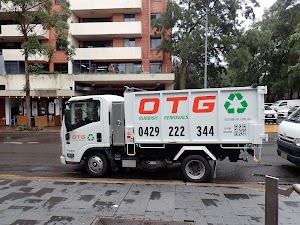
Rubbish removalists can take most household items — furniture, mattresses, e-waste, white goods, garden waste, paint tins, and light construction debris. They cannot legally take asbestos, hazardous chemicals, or car bodies. Knowing this split before you book saves time and prevents a wasted call-out. For a full picture of the process, read how rubbish removal works.
Most household rubbish removal services accept a wide range of items that councils either won’t collect or only pick up once a year. According to the Department of Climate Change, Energy, the Environment and Water, Australians generate over 20 million tonnes of solid household and commercial waste annually (DCCEEW, 2023) — the bulk of which can move through standard removal channels.
The table below covers items that general rubbish removalists — including OTG — will typically collect. These are not restricted materials and don’t require specialist licensing to transport or dispose of responsibly.
| Item category | Examples | Accepted? |
|---|---|---|
| Furniture | Sofas, bed frames, wardrobes, bookshelves, tables, chairs | Yes |
| Mattresses | Single, double, queen, king — all sizes | Yes |
| White goods | Fridges, freezers, washing machines, dryers, dishwashers | Yes |
| E-waste | TVs, monitors, computers, printers, small electronics | Yes |
| Garden waste | Clippings, branches, soil, mulch, pots | Yes |
| General household rubbish | Clothes, toys, kitchenware, books, boxes, clutter | Yes |
| Light construction debris | Timber offcuts, plasterboard, tiles, flooring | Yes |
| Paint tins | Dried and partially dried tins (wet paint: call first) | Yes — OTG speciality |
| Water tanks | Poly, steel, above-ground tanks | Yes — OTG speciality |
Certain materials are legally restricted across the entire industry — these are not company policy decisions. They reflect Australian environmental and safety law. The NSW EPA classifies a range of substances as hazardous or controlled waste, which must be handled only by licensed operators with specialist permits (NSW EPA, 2024). No general rubbish removal service can legally accept them.
This table covers items no standard removalist can take, regardless of company or location.
| Item | Why it’s excluded | Accepted? |
|---|---|---|
| Asbestos | Legally requires a licensed asbestos removalist. No general operator can legally transport it. | No |
| Hazardous chemicals | Solvents, pesticides, herbicides, pool chemicals — classified as controlled waste. | No |
| Half-full chemical containers | Unknown or mixed liquid contents — hazardous waste classification applies. | No |
| Car bodies / large vehicles | Require specialist auto recyclers or licensed scrap metal operators. | No |
| Tyres | Restricted waste — licensed tyre recycling facilities required. | No |
If you’re unsure whether an item on your property falls into a restricted category, call before booking. A quick description saves everyone a wasted trip.
Some items sit in a grey zone — they’re not legally restricted, but many operators won’t handle them because they require specific disposal pathways or extra care in transport. OTG has built collection and disposal capability around these items. Australians purchase over 100 million litres of paint each year, and a large volume ends up stored in garages and sheds for years (Paintback, 2023) — paint tins are one of the most common specialist requests OTG receives.
Paint tins, e-waste, and mattresses appear in a high proportion of OTG’s residential and garage clear-out jobs. Many customers only learn these items can be professionally removed when they call to ask.
OTG collects paint tins — dried and partially dried. Dried paint is treated as a potentially hazardous material, which is why most general operators decline to take it. Fully liquid paint tins require a separate conversation before booking, as wet paint has different handling and disposal requirements.
TVs, computers, monitors, and other electronics are classified as e-waste in most Australian states. They must go through approved recycling channels, not general landfill. OTG handles collection and ensures items reach compliant e-waste processors. For more detail, see the full guide to e-waste disposal in Australia.
Fridges, freezers, washing machines, dryers, and dishwashers all have regulated disposal requirements. Refrigerants in fridges and freezers can’t enter landfill under Australian environmental regulations. OTG carries the right equipment to move heavy appliances without floor or doorframe damage. Full details are on the white goods disposal page.
The Australian Furniture Association estimates over 1.5 million mattresses reach end-of-life in Australia each year (AFA, 2022). OTG collects any size from single to king, sorts them at the facility, and uses recycling pathways where available. More detail is on the mattress disposal Australia page.
Above-ground poly and steel water tanks are a specialist removal job — awkward in size and often in tight backyard positions. OTG handles disconnection, extraction, and disposal in line with local requirements for large plastics and metals. Most general operators don’t carry the equipment for it.
Some items cause genuine confusion at the booking stage. People aren’t sure whether they’re restricted materials or standard rubbish. The NSW EPA notes that incorrect disposal of household hazardous waste costs councils millions each year in remediation and compliance (NSW EPA, 2023) — which is why it matters to get the classification right before anything is loaded.
In our experience, the items that generate the most booking confusion are paint tins, tyres, e-waste, and asbestos. People often assume the answer is “no” for all of them. For paint and e-waste, the answer is yes — for asbestos and tyres, it’s firmly no.
The distinction isn’t about company willingness: it’s about legal classification. Items like e-waste and paint tins have compliant disposal pathways that trained operators can access. Asbestos and chemical waste require a different licence class entirely. Conflating the two categories leads to either unnecessary refusals or, worse, illegal disposal.
| Item | OTG accepts? | Notes |
|---|---|---|
| Paint tins (dried / partially dried) | Yes | OTG speciality. Call first for fully wet tins. |
| Half-full chemical bottles | No | Classified as hazardous waste. Use council chemical drop-off days. |
| E-waste (TVs, computers, monitors) | Yes | Directed to approved e-waste recyclers. |
| Tyres | No | Restricted waste — licensed tyre recycling required. |
| Asbestos | No | Legally restricted industry-wide. Licensed asbestos removalist required. |
| Green waste / garden clippings | Yes | Standard collection. Branches, clippings, soil, pots all accepted. |
Beyond the industry-wide legal restrictions, OTG has its own exclusion list based on what can and can’t be accepted at the licensed disposal and recycling facilities it works with. The NSW EPA requires licensed facilities to refuse certain material types to protect facility operators and surrounding communities (NSW EPA, 2024).
OTG does not accept:
If you have an item you’re not sure about, call before booking. Describing the item takes two minutes. It’s faster than a wasted trip for both parties.
Yes. Fridges and freezers are a standard white goods collection. Because they contain refrigerants regulated under Australian environmental law, they can’t go to landfill — they must be processed through approved channels. OTG handles the heavy lifting and ensures the appliance reaches a licensed recycling facility. Read more on the white goods disposal page.
Yes — OTG removes paint tins, including dried and partially dried ones. Most general rubbish removal operators won’t take paint tins because dried paint is treated as a potentially hazardous material. OTG has disposal pathways for them. Fully liquid paint requires a separate discussion before booking, as wet paint has different handling requirements.
No. Asbestos removal is legally restricted to licensed asbestos removalists across Australia. No general rubbish removal service can legally handle it. If you suspect asbestos in pre-1990 building materials on your property, contact a licensed asbestos assessor before disturbing anything. Do not include it in any rubbish removal booking.
Rubbish removalists — including OTG — do not accept chemicals. This covers solvents, pesticides, herbicides, pool chemicals, and any half-full or unknown liquid containers. These materials require licensed hazardous waste collection. Most local councils run periodic chemical drop-off days. Contact your council for the next scheduled date in your area.
No. Car bodies and large vehicles are not accepted by OTG or most general rubbish removal operators. They require specialist auto recyclers or licensed scrap metal operators. If you need a wreck or unregistered vehicle removed, contact a local scrap metal dealer or auto dismantler licensed to handle vehicle disposal in your state.
You’ve got a clear picture now of what goes and what doesn’t. Most household items — furniture, mattresses, white goods, e-waste, garden waste, and even paint tins — are well within scope for a professional rubbish removal service.
If you’ve got a mix of items and want to confirm what’s accepted before you book, a quick call is the fastest route. The team can walk through your list and advise on anything that sits in a grey area.
View the full range of services on the rubbish removal services page, or head directly to booking for a book an on-site quote.