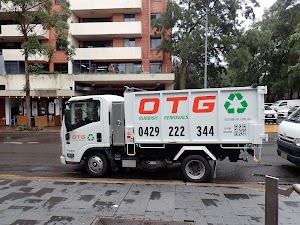
Rubbish removal works in five stages: you submit an enquiry, a crew visits your property to assess the job and provide a fixed quote, you confirm pickup, a two-person team collects everything from wherever it sits on the property, and items are sorted for recycling, charity, or responsible landfill disposal. Most jobs are completed same-day or next-day.
The rubbish removal process follows a predictable sequence that protects you from surprise charges and wasted time. According to IBISWorld, the Australian waste collection and rubbish removal industry handles over 25 million tonnes of material annually, with residential bookings accounting for a significant share of all jobs (IBISWorld, 2024). Understanding the steps means you know exactly what to expect and how to prepare.
The table below shows the full process at a glance, from your first contact through to final disposal.
| Stage | What happens | Who acts |
|---|---|---|
| 1. Enquiry | Call or submit an online form with your job details and location | You |
| 2. On-site quote | Crew visits, assesses volume and access, gives a fixed price | Crew + you |
| 3. Approval | You accept the quote; pickup is confirmed for same-day or scheduled | You |
| 4. Pickup | Two-person crew loads all items, clears the area, departs | Crew |
| 5. Sorting | Items sorted into recycling streams at a licensed facility | Crew / facility |
| 6. Disposal | Recycled, donated to charity, or sent to licensed landfill | Facility |
The enquiry stage takes less than five minutes. You contact the rubbish removal company by phone or online form, describe your job in general terms, and provide your suburb and preferred timing. A 2023 consumer survey by Choice Australia found that Australians cite unclear booking processes as one of the top friction points when hiring trade and home services (CHOICE, 2023). A straightforward enquiry removes that friction early.
You don’t need to have an exact item list ready at this stage. A general description — “clearing out a garage in Penrith” or “have a fridge and some old furniture to go” — is enough to confirm service availability and schedule a crew visit.
When you call or submit the form, have your suburb, a rough sense of what you’re clearing, and your preferred timing ready. That’s it. The detailed assessment happens on-site.
You can start the process now on the book rubbish removal page, or call directly if you’d rather talk through the job first.
An on-site quote is the only way to give you a price that won’t change when the crew arrives. Research by Choice Australia found that unexpected charges on the day are among the most common complaints against removalist and rubbish removal services across Australia (CHOICE, 2022). On-site quoting eliminates that problem entirely by anchoring the price to what the crew can actually see.
Three things determine what a rubbish removal job actually costs, and none of them can be reliably assessed by phone. The first is volume: how much physical space the rubbish takes up in the truck. The second is item type: different materials attract different disposal fees at licensed facilities. The third is access: stairs, lifts, narrow hallways, and long carries all add labour time.
A phone quote for rubbish removal is essentially a guess. The crew who quotes over the phone hasn’t seen your access, doesn’t know whether the old sofa is a two-person carry or a four-person dismantling job, and can’t account for the half-hidden pile of building materials at the back of the garage. On-site quoting protects both parties.
When the crew arrives for the quote, they walk through the job with you, check access, estimate the truck fill, and give you a fixed price. If you accept, work can begin immediately in most cases. If you want time to think, there’s no obligation to proceed on the day.
On pickup day, a two-person crew arrives at the agreed time with a truck, lifting equipment, and floor protectors. The crew’s experience matters here: trained two-person teams can safely remove items that would be impossible to shift alone, including heavy appliances, bulky furniture, and awkwardly shaped materials. Australian workplace health and safety data shows manual handling injuries account for around 41% of serious workers’ compensation claims in Australia (Safe Work Australia, 2023) — which is exactly why professional teams use correct technique and equipment rather than improvising.
The crew collects items from wherever they are on the property. You don’t need to move anything to the kerb, down the stairs, or out of the garage. The team carries items out through the house, using floor and wall protectors to prevent damage in tight spaces.
Here’s what a typical pickup sequence looks like:
You don’t need to supervise throughout. Once you’ve pointed out what’s going, the crew works independently. Most residential jobs are completed in one to two hours from arrival.
If you’re unsure whether a particular item can be collected, check the full list of what rubbish removalists can take before pickup day.
After the truck leaves your property, the rubbish doesn’t all go straight to landfill. Items are taken to a sorting facility where they’re separated into distinct waste streams for processing. The NSW EPA estimates that up to 80% of household waste in NSW can be diverted from landfill through reuse and recycling when correctly sorted (NSW EPA, 2023). Responsible rubbish removal operators prioritise that diversion at every stage.
Steel, aluminium, and other metals are separated out and sent to scrap metal processors. Appliances containing refrigerants — fridges, air conditioners, and some older freezers — go through an approved gas recovery process before the metal is processed. This is a legal requirement under Australian environmental regulations, not optional.
Televisions, computers, monitors, and other electronics are classified as e-waste in most Australian states. These items must go through approved e-waste recycling channels, not general landfill. Australia generates around 680,000 tonnes of e-waste per year, making it one of the fastest-growing waste streams in the country (DCCEEW, 2023).
Mattresses are bulky and largely recyclable. Steel springs, foam, and fabric can all be separated and processed. Where mattress recycling infrastructure exists in your state, items are directed there rather than to landfill.
Garden clippings, branches, soil, and other organic materials are sent to composting or mulching facilities. This keeps organic matter out of landfill, where it would otherwise generate methane as it breaks down.
In our experience, a notable proportion of items collected during household clear-outs are still in usable condition. Furniture, clothing, kitchenware, and working appliances that meet charity standards are redirected to op shops and community organisations rather than disposal facilities. What seems like rubbish to you can be useful to someone else.
Whatever can’t be recycled, recovered, or donated goes to a licensed landfill facility. Licensed facilities operate under strict EPA requirements for containment, leachate management, and gas capture. No illegal dumping, no fly-tipping, and a documented disposal trail.
For a deeper look at recycling rates and waste stream destinations, read the full piece on sustainable rubbish removal.
From first enquiry to job completion, most standard rubbish removal jobs are finished within 24 to 48 hours. IBISWorld reports that around 30% of rubbish removal bookings across Australia are made with fewer than 24 hours notice, and many of these are fulfilled same-day when crews are available in the area (IBISWorld, 2023). Speed depends on your location, the size of the job, and crew availability on the day.
Here’s a realistic breakdown by job type:
| Job type | Booking to completion | Time on-site |
|---|---|---|
| Single-item pickup | Same-day or next-day | 15-30 minutes |
| Light load (a few items) | Same-day or next-day | 30-60 minutes |
| Residential clear-out | Next-day or 2-3 days | 1-3 hours |
| Garage clean-out | Next-day or 2-3 days | 1-4 hours |
| Commercial strip-out | Scheduled (2-5 days) | Half-day to full day |
The on-site quote visit itself is usually brief — 15 to 30 minutes. If the crew is already scheduled to visit and the job is straightforward, they’ll often load and go on the same visit. You don’t always need a separate trip for the quote and the pickup.
Your preparation list is short. Most of the work on pickup day is done by the crew. In our experience handling residential and commercial jobs across Greater Sydney, the jobs that run most smoothly are those where the customer has done two things: identified what’s going and what’s staying, and flagged any access issues upfront. That’s genuinely all that’s needed.
Do this before pickup:
You don’t need to:
The crew brings everything needed. You point, they carry.
You need to be present for the on-site quote, so the crew can assess the job and confirm the fixed price before any work begins. On pickup day, someone should be available at the start to confirm access and point out which items are going. Once the job is underway, you don’t need to supervise — the crew handles everything and confirms with you before they leave.
Most residential rubbish removal jobs take between 30 minutes and two hours from the time the crew arrives on-site. A single-item pickup is often done in under 30 minutes. Large whole-house clear-outs or commercial strip-outs can take a full day or require multiple trips. The crew will give you a time estimate during the on-site quote. From first enquiry to completion, same-day and next-day turnarounds are common for smaller jobs.
After pickup, items go to a sorting facility where they’re separated by material type. Metals go to scrap processors, e-waste goes to approved recyclers, green waste goes to composting, and items in good condition may go to charity. The NSW EPA estimates up to 80% of household waste in NSW can be diverted from landfill through correct sorting (NSW EPA, 2023). Only what genuinely can’t be recycled or reused goes to licensed landfill. Read more on the sustainable rubbish removal page.
Yes. The crew arrives fully equipped: truck, lifting gear, floor protectors, and any tools needed to disassemble larger items. You don’t need to buy bags, hire a skip bin, or do any preparation work. Just show the crew what needs to go and they take it from there. You don’t need to move anything to the kerb or pack anything before they arrive.
Rubbish removal prices depend on three things that simply can’t be assessed over the phone: actual volume, item types (which affect disposal fees at licensed facilities), and access conditions like stairs, long carries, or tight doorways. A phone estimate ignoring these factors is likely to change when the crew arrives. An on-site quote gives you a fixed price based on what the crew can actually see — so the number you agree to is the number you pay.
Now you know how rubbish removal works, the process is straightforward. Enquire with a rough description of your job, get an on-site quote, approve it, and let the crew take care of the rest. Most jobs wrap up within 24 to 48 hours of your first call.
Before you book, check the full guide on what rubbish removalists can take if you have any unusual items. For more detail on what happens to your waste after collection, the sustainable rubbish removal page covers the recycling streams in full.