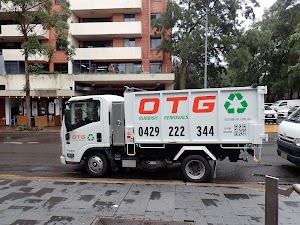
A light load is roughly half a truck or less of low-weight rubbish. It covers small clear-outs: a few bags of old clothing, a box of office equipment, a dismantled bed frame, or a handful of flat-pack pieces. Most jobs are completed in a single visit, often on the same day or next day you book.
Key Takeaways
- A light load is approximately half a truck or less of low-density material.
- Common jobs include small office clear-outs, garage tidy-ups, end-of-lease cleans, and downsizing.
- Heavy materials (concrete, soil, tiles) push a job beyond light load, regardless of volume.
- A photo or brief description is usually enough to get an accurate quote.
For a full overview of what’s covered, see our rubbish removal services page.
Light load rubbish removal refers to a collection of low-density household or office items that together fill roughly half a standard truck (around 4-5 cubic metres). It’s a category based on both volume and weight. According to Sustainability Victoria, the average household generates around 1.5 tonnes of waste per year, but most small clear-out jobs involve a fraction of that in a single visit.
Weight is the key variable most people overlook. A half-truck of loose cardboard, old clothes, and flat-pack timber weighs far less than a half-truck of tiles or concrete. Rubbish removal pricing and logistics account for both dimensions, so the material type matters as much as the volume.
If your job is below the half-truck mark and the items are lightweight, it fits comfortably in the light load category. If you’re unsure, a photo sent with your enquiry is the fastest way to get clarity.
Most light load jobs fall into four common situations. Each one involves a manageable volume of material that doesn’t warrant a full truck or a skip bin sitting on the property for several days.
Office relocations and end-of-tenancy clean-ups often generate a mix of old filing cabinets, monitors, stationery, and broken chairs. These items are bulky but rarely heavy. A single visit can clear most small office spaces without disrupting the wider building or neighbours.
Garages tend to accumulate years of kept-just-in-case items: old tools, sports gear, broken appliances, and stacked cardboard. A light load booking clears the backlog in one go. Items that can be donated or recycled are sorted at the facility rather than going straight to landfill.
Tenants leaving a rental often need items removed quickly to meet inspection deadlines. Light load removal works well here because it’s fast to book, the crew handles the lifting, and it’s done in a single visit. It suits furniture left behind, old whitegoods, and accumulated household items.
Moving to a smaller home means some furniture and belongings simply won’t fit. Rather than holding a garage sale or making repeated tip runs, a light load booking removes the excess in one efficient visit. It’s a practical option when you have more than a car boot’s worth but less than a full truck.
If you’re weighing up whether a skip bin might suit your job better, read our comparison: rubbish removal vs skip bin.
A standard rubbish removal truck holds 8-10 cubic metres. For context, the Australian Bureau of Statistics notes that the average three-bedroom home contains roughly 300 cubic feet of furniture and belongings, so a full truck clears a significant portion of a home’s contents. A light load uses roughly half that truck capacity.
Here’s a practical guide to what typically fits in a light load (half truck or less):
These are rough estimates. Actual capacity varies depending on how items are stacked and whether they can be broken down. Flat-pack furniture and disassembled bed frames take significantly less space than assembled pieces.
Some jobs start as a light load and expand once the full scope becomes clear. Knowing what pushes a job into the next category helps you get an accurate quote from the start and avoids surprises on the day.
Concrete, soil, bricks, tiles, and pavers are dense materials. Even a small volume adds significant weight to a truck load. Heavy construction or renovation debris is usually handled as a separate category from general household rubbish, and often requires a different vehicle or approach.
If the clear-out spans an entire house, a large shed, or multiple rooms of furniture, a single light load booking won’t cover it. Full truck loads, multiple runs, or a combination of services may be needed. Describing the full scope upfront means you get the right booking the first time.
Asbestos, chemicals, paint, gas cylinders, and certain electronic waste require specialised handling and disposal. These items can’t be included in a general rubbish removal load, regardless of volume. If your job includes any of these materials, flag it when you enquire so the right process is arranged.
OTG does not handle asbestos — it legally requires a licensed asbestos removalist. If your job involves it, tell us when you book and we’ll point you to the right people.
Most rubbish removal providers offer same-day or next-day quoting via photo submission or brief phone description. A 2023 survey by IBISWorld found that on-demand waste collection services in Australia have grown significantly, with customer convenience and quick turnaround cited as the top reasons people choose professional removal over tip runs.
The process is straightforward. You describe or photograph what you have, the team assesses the volume, weight, and material type, then confirms availability and scope. No obligation is attached to the initial enquiry.
A photo or a simple list works well. Include the number of items, any heavy materials, and the location of the rubbish (inside the property, in the garage, at kerbside). The more specific you are, the more accurate the quote will be.
Once the scope is confirmed, you’ll receive a clear outline of what’s included, any items that fall outside the standard service, and the available booking times. Specific scheduling windows may vary by location and demand.
The crew arrives within the agreed window, handles all the lifting and loading, and removes the rubbish in a single visit. You don’t need to be present for kerbside collections, though someone needs to be available for internal access jobs.
A light load generally means a half-truck or less of low-density, low-weight rubbish. Think flat-pack furniture, bags of clothing, cardboard boxes, or a few pieces of old office furniture. It’s a useful category for small clear-outs where you have volume but not weight, and a skip bin would be more space than you need.
A standard rubbish removal truck holds roughly 8-10 cubic metres of material. For a light load, you’re typically filling half that space or less. Bulky but lightweight items like lounges, mattresses, and flat-pack furniture take up a lot of room but don’t add significant weight to the load.
A single-item pickup covers one large piece, such as a fridge, mattress, or sofa. A light load covers a collection of items that together don’t fill a full truck. If you have multiple bags, boxes, or pieces of furniture to remove at once, a light load booking is usually the right fit rather than booking single items separately.
Yes. Clothing, cardboard, and office paper are all accepted materials. They’re low-weight and easy to sort at the recycling facility. That said, if you only have a couple of bags, your local council kerbside collection or drop-off point may be the most practical option. Rubbish removal is best suited to volumes that are genuinely inconvenient to handle yourself.
The easiest way is to send a photo or brief description when you request a quote. Describe what you have, roughly how many items or bags, and whether anything is heavy (concrete, soil, bricks, or appliances with compressors). The team can then advise whether it’s a light load, full load, or needs a different approach such as a skip bin or specialised collection.
If you have a half-truck’s worth of rubbish or less, a light load booking is a fast, straightforward option. No skip bin sitting on your driveway. No multiple tip runs. One visit, fully cleared.
Send a photo or description of your load to get a clear, obligation-quote. Most jobs are booked and completed within 24 hours.
Get a quote for light load rubbish removal or call OTG Rubbish Removal to discuss your job directly.